Puppy Training Guidance
Bringing a puppy home for the first time can be an exciting and overwhelming experience. While puppies are undeniably adorable, they take a lot of time, energy and patience to train. Puppy training can seem intimidating, but with the right knowledge and resources it can be an enjoyable and rewarding experience. This guide provides an overview of puppy training basics and tips to set you and your puppy up for success.
What is Puppy Training?
Puppy training is the practice of teaching a puppy the behaviors, commands, and expectations of life in a new home. Training is essential for puppies because it helps them understand their place in the family and prevents behavioral problems later in life. Training puppies includes teaching them how to respond to commands, how to interact with other animals and humans, and how to act in various settings.
Why It Is Important To Train Your Puppy?
Training is important for a puppy to help them learn acceptable ways of behaving and can prevent the development of problem behavior. Training is also part of the bonding process between you and your puppy. It will teach them to trust and respect you, which is important for their overall welfare. A well-trained puppy also makes it easier to take them out in public and can prevent them from getting into trouble.
Training is important for safety reasons as well. You can keep your puppy safe by teaching basic commands such as sit, stay and come. If the dog strays from you and into a busy road, you will be able to recall it with Come. In addition, teaching your puppy to stay can help prevent him from running off and getting into dangerous situations. Training is an important part of responsible dog ownership and can help keep your puppy safe, happy and well-behaved.
Basic Puppy Training?
1. Crate Training: One of the best ways to help your puppy adjust to his new home is through crate training. It’s important to introduce them to the crate slowly and make sure it’s something positive to experience. Begin by feeding your puppy in the crate and gradually increase the amount of time he spends in the crate.
2. Potty Training: Potty training is a necessary step in raising a puppy. Begin with regular exercise, especially after eating, drinking or waking. Reward your puppy with treats and praise when he or she goes to the potty in the appropriate place.
3. Obedience Training: Obedience training is important in teaching your puppy to respond to commands and act accordingly. Start with basic commands including sit, stay and come. Make sure you reward them with treats and verbal praise when they do obey.
4. Socialization: Socializing your puppy to be comfortable around humans and other animals is important. Start by introducing them to people in a controlled environment and gradually increase the number of people they are exposed to.
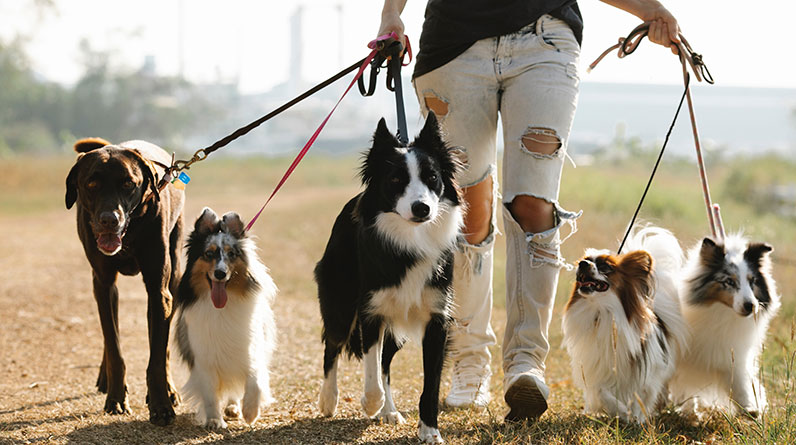
5. Leash Training: Leash training is important for safety and can help keep your puppy out of trouble. Start by introducing them to the leash slowly and reward them with treats when they walk calmly on the leash.
Getting Started With Puppy Training
When you first bring your puppy home, it’s important to start the training process right away. Start by introducing them to their crate and make sure it is a positive experience. Then work on potty training and obedience training. Reward them with treats and verbal praise for following commands and behaving properly.
Socializing them early and introducing them to people and other animals is also important. Lastly, start training them to walk on a leash so that they can go out and explore.
When it comes to training your puppy, it’s important to remember to be consistent. Keep the puppy training sessions short and frequent, and make them fun. Remember that puppies are still learning and need to be taught how to behave, so it’s important to be patient. Be sure to reward your puppy with treats and praise when he is successful. Your puppy will soon be well-behaved and a joy to be around with consistency, patience, and positive reinforcement.
Things To Avoid When Training My Puppy
It’s important to avoid using harsh methods when training your puppy. Shouting, beating and other forms of punishment can have a negative effect on your dog and can even lead to behavioural problems. It’s also best to avoid using treats as the only reward. Treats can be an effective reward. However, they should be used in combination with verbal praise and other rewards.
It is also important not to overwhelm your puppy with too much training too quickly. It’s best to keep training sessions short and sweet as puppies need time to learn and absorb new information. You should also avoid mixing training with playtime, as this can be confusing for your puppy.
Also, when you take breaks during training sessions, focus on play and fun with your pup. Finally, avoid the use of restraining devices such as choke collars, shock collars and prong collars, as these can be harmful to your pup’s physical and mental health.
Puppy Training Issues
The most important thing is to start socializing your puppy as early as possible. Socializing means exposing your puppy to a variety of environments, people, and animals in a positive manner. This will help your puppy learn how to engage with other creatures in a healthy way.
Introduce your puppy to as many friendly people, dogs, and other animals as possible by taking him for walks in different neighborhoods and parks. You can also introduce him to new sounds, smells, and experiences such as driving, going to the vet, or visiting a pet shop. To develop a well-rounded and stable puppy, socialization is key.
Setting boundaries and rules for your puppy is another important aspect of puppy training. Allowing your puppy to do whatever he wants can lead to behavioural problems and frustration later on.
Your puppy will understand and follow your commands if you set clear expectations and boundaries. Provide a comfortable, structured environment, including a crate, bed and toys. Explain what is acceptable and unacceptable behaviour and reward them for following commands.
Lastly, have patience and consistency. Training puppies takes time and patience, and it’s important to remain firm in your commands and expectations. Reward your puppy for following commands and ignore any wrong behavior. Consider hiring a professional dog trainer if you need extra help. You and your pup will be well on your way to a happy, healthy relationship with patience and consistency.
Conclusion
Training puppies can be daunting, but with the right knowledge and resources, it can be a fun and rewarding experience. This guide outlines the basics of puppy training and provides tips to help you and your puppy succeed.
Make sure it is a positive experience by first introducing them to their kennel. You can then move on to potty training and obedience training. Make sure they are rewarded with treats and verbal praise when they obey and behave appropriately.
And finally, start training them on the leash and socialising them so they can explore their new home in a safe environment. You’ll have a happy, well-trained puppy in no time with the right approach and patience.